
How to read a concrete estimate before you sign: what the cheap bid leaves out
On this page · 9 sections
We hand out a lot of free estimates, and every so often a homeowner calls back with the same news: somebody else came in at half our price. Sometimes that's true and fair. More often, when we look at the other bid together, the reason it's cheaper is sitting right there on the page — or, more to the point, missing from it. Fewer inches of concrete. No word on where the mix comes from. A stamped patio with no sealing step. A pool deck with nothing about bonding.
Concrete is unforgiving that way. A shortcut on pour day doesn't show up on pour day; it shows up as a crack a few seasons later, after the crew is long gone. So before you compare two numbers, compare what each number actually buys. Here's how we'd walk you through any concrete bid — ours included.
The short answer
Bottom Line Up Front
Before you compare prices, make every bid answer the same questions: what concrete they're pouring, how many inches thick, whether a stamped job includes the final seal, and — for a pool deck — what bonding goes in. A bid that's half price and silent on those is usually cheaper because something is missing.
Most of what makes concrete last is invisible once it cures. Thickness, mix quality, the sealer coat, and pool bonding all disappear under a finished surface, which is exactly why they're the easiest places to cut. Get them on paper and the price comparison becomes fair.
for every stamped concrete job
behind this advice
on finished work
The rest of this post takes those questions one at a time, then puts them side by side in a table and a checklist you can hold up against any estimate on your kitchen table.
Question 1: What concrete are they actually pouring?
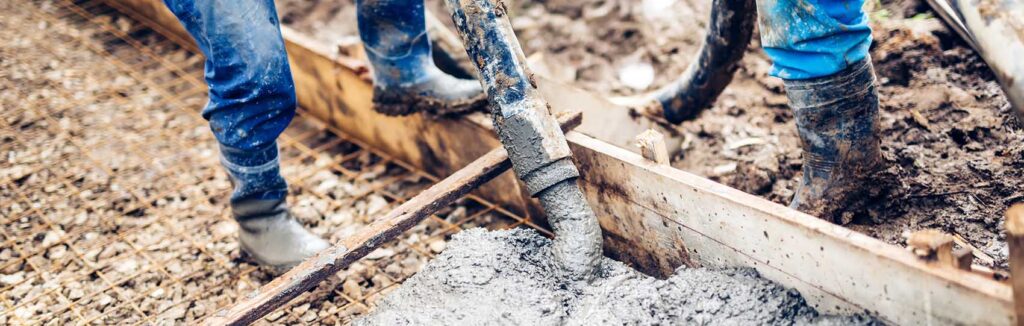
Not all concrete is the same product, and some contractors use cheap material that's prone to crack. A bid that just says "concrete" tells you nothing about what's showing up in the truck. Ask where the concrete comes from and what kind of mix it is. We source ours from plants with lower gravel content, because that helps the quality of every pour we do. If you want the longer version of why the mix matters, our guide to choosing the right concrete mix goes deeper.
You don't need to become an expert in aggregates to ask this question. You just need a contractor who can answer it plainly. If the answer is a shrug, that's your answer.
Question 2: How many inches are they pouring?
This is the one we see most often. The thickness matters, and it's the easiest place for a low bid to hide its savings: less depth means less concrete, a smaller truck bill, and a lower number at the bottom of the page. The slab looks identical the day it's finished. The difference shows up when it has to carry a car, a hot tub, or a few Maryland winters.
So look for the thickness written on the bid, not promised over the phone. If one estimate lists it and another doesn't, ask the second contractor to put it in writing. If two bids list different thicknesses for the same driveway or patio, you've just found most of the price gap.
“The thickness matters! We’ve given estimates where people tell us they’re half price — and when you look at the bid, it’s not enough inches to be a pour that will last.”— Brijo Concrete Solutions
Bid that cuts corners vs. bid built to last
Here's the whole idea on one screen. Each row is something a bid should tell you; the highlighted column is what a pour that lasts looks like on paper.
| What the bid covers | Bid that cuts corners | Bid built to last |
|---|---|---|
| Concrete quality | Just says "concrete" | Names where the mix comes from |
| Thickness | Not listed, or thinner than others | Inches written on the bid |
| Stamped finish | Stamp and color only | Stamp, color, dry, wash, and seal |
| Pool bonding | Not mentioned | Bonding wire and mesh named |
| Pavers | Brand left blank | Brand named, such as Nicolock or Belgard |
| Job site | Cleanup not discussed | Site left in good condition |
| Price on paper | Lowest number on the table | Higher, but every line explained |
Don't compare totals first. Put the estimates next to each other and check that each one names the same things: the concrete, the thickness, every finishing step, and what happens to the site when the crew leaves. Anything one bid lists and the other skips is a question for the contractor who skipped it.
Question 3: For stamped concrete, does the bid include every step?
Stamped concrete is a big part of what we do, and it has a sequence: stamp it, add the color, let it dry, wash it, then seal it. Five steps, and the last one is the one that gets skipped. Sealing means actually applying a liquid at the end once everything else is done — it's what protects the color and the texture you paid for.
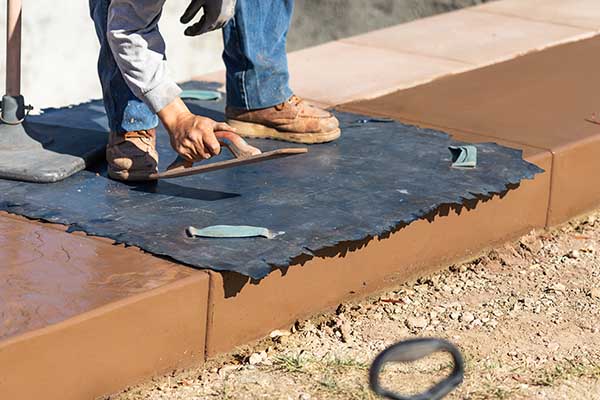
When you read a stamped concrete bid, look for the seal by name. If it isn't there, ask. A contractor who seals every job will tell you so without hesitating. Once it's in, our sealing and maintenance guide covers how to keep it looking right for years.
Signs of a bid built to last
Everything that will end up out of sight is written down where you can see it.
What to look for
- The thickness of the pour is written on the bid in inches.
- The contractor can tell you where the concrete comes from and what kind of mix it is.
- A stamped job lists all five steps, ending with the seal.
- A pool deck bid names the bonding wire and mesh going in.
Signs of a bid cutting corners
The number is low and the page is short. What's missing is usually where the savings came from.
What to question
- The total is far below every other bid and nothing on the page explains why.
- The bid says "concrete" with no thickness and no word on the mix.
- A stamped patio price stops at stamping and color, with no sealing step.
- Nobody mentions cleanup, timing, or how the site will be left.
Question 4: For pool decks, is the bonding wire on the bid?
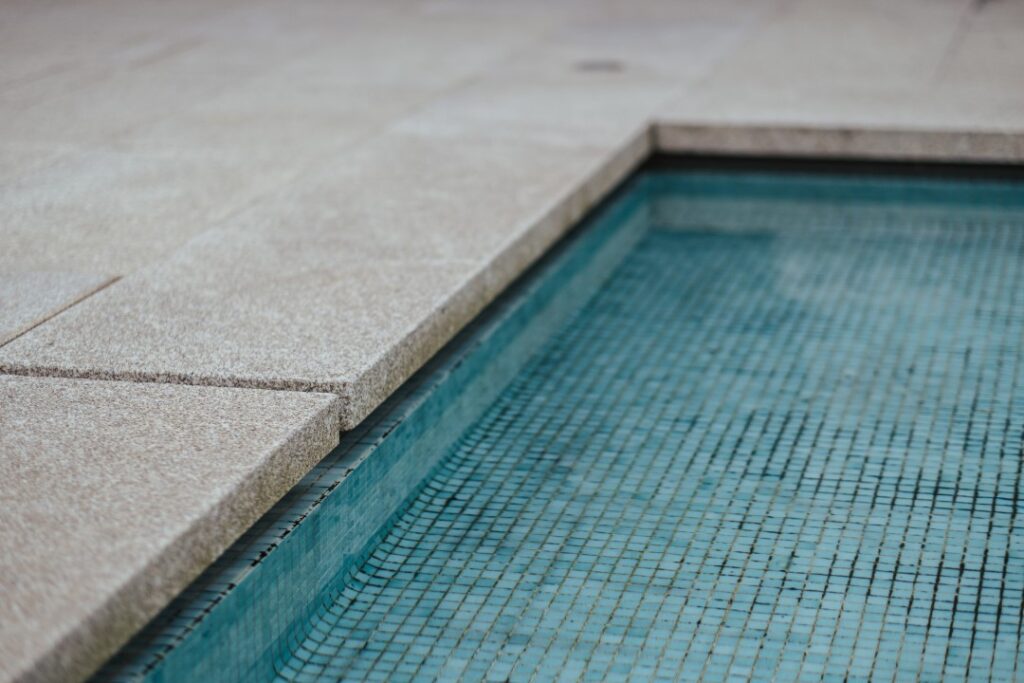
This one isn't about looks. It's about safety. Around a pool, the right wiring and mesh are what keep electricity from leaking out into the water, and it has to be there to keep you safe. We consider a copper equibond wire roll important on this kind of job. On a pool deck bid, ask what bonding they're installing and make sure it's written down.
A lower number isn't automatically a bad bid. But when a quote comes in at half the others and doesn't explain why, the savings are usually coming out of something you can't see once the job is done: the thickness, the mix, the seal, or the bonding under a pool deck. Ask the contractor to show you, on paper, what they left out to get there.
Question 5: What happens around the project?
The slab is the part you'll live with, but the weeks around it matter too. Our clients are happy with the work — and what they mention just as often is that everything around the project was kept clean and handled right, and the site was left in good condition. Ask any contractor how they leave a job site, and how long your yard will be a construction zone.
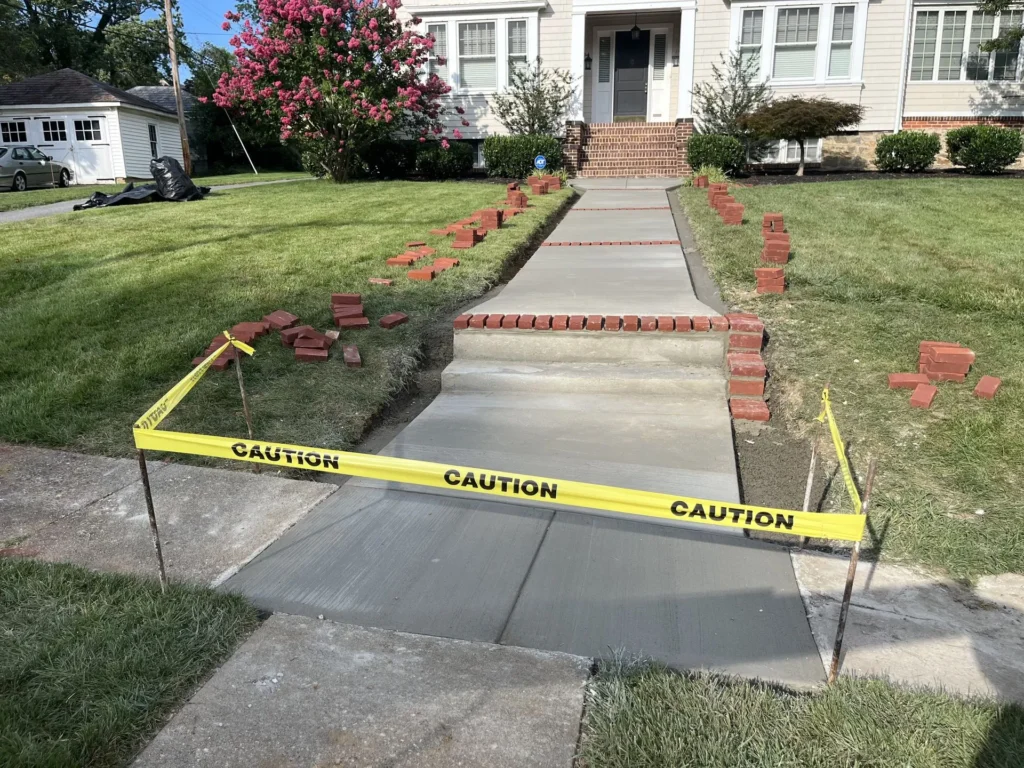
Timing belongs on the bid too. People expect concrete work to take weeks; with our smaller crews, we usually finish in a couple of days, so your house isn't a construction site any longer than it needs to be. Whatever a contractor promises, get the schedule in writing alongside the price.
The bid checklist
If you only use one part of this post, use this. Read down the left column and check each line against the estimate in front of you. Every "ask first" is a phone call to make before you sign.
| If the estimate… | Good sign | Ask before signing |
|---|---|---|
| Lists the thickness in inches | Yes | Nothing to ask |
| Leaves the thickness out | No | Get it in writing |
| Names the concrete source or mix | Yes | Nothing to ask |
| Prices stamped work with no seal | Step missing | Ask about the seal |
| Covers a pool deck with no bonding | Safety gap | Ask what's installed |
| Is half the price of the others | Only if explained | Ask what's left out |
| Says nothing about cleanup or timing | Not yet | Ask for the schedule |
The bottom line
The cheapest concrete bid isn't always the wrong one, and the most expensive isn't always right. The right one is the bid that tells you what's going into the ground: what concrete, how many inches, every finishing step through the seal, the bonding around a pool, and how the site will be left. When a bid answers all of that, you can compare prices honestly. For more on vetting the company itself, see our post on choosing the right concrete contractor.
If you'd like a bid to hold up against the others, that's what our free estimate is for. Call 240-302-1823, tell us what you need, and we'll come out, look at the job, and put it all in writing. You can also browse our project gallery to see how our poured concrete, patios and pavers, and stamped work hold up.